

What are elastic nipples?
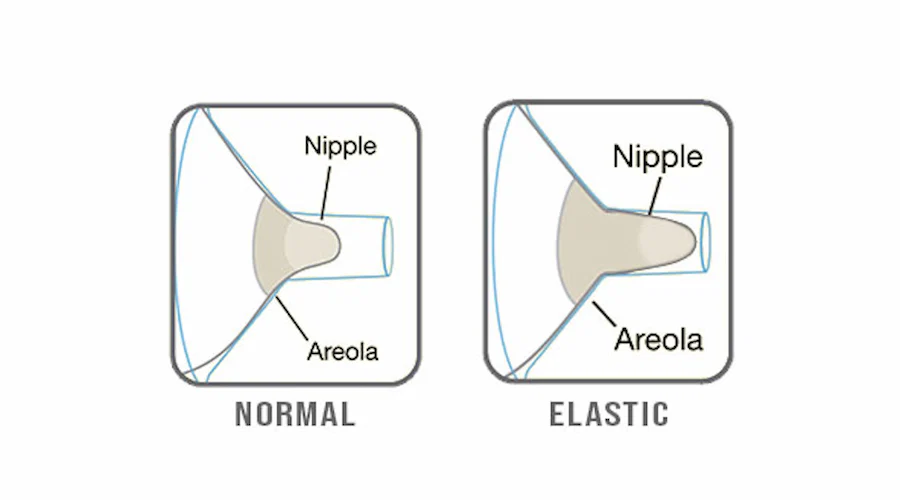
There’s no official medical condition called “elastic nipples.” It simply refers to greater flexibility and stretchiness of nipple tissue.
This can include:
- Stretching longer during stimulation
- Flattening or retracting easily
- Changing shape more noticeably than usual
Why it happens?
1. Natural anatomy
Everyone’s nipple structure is different. Some people naturally have:
- Softer connective tissue
- More flexible skin
- Less dense underlying structure
These factors make nipples appear more “elastic.”
2. Hormones
Hormonal changes (especially estrogen and progesterone) can affect:
- Skin elasticity
- Tissue softness
This is why elasticity can change during:
- Menstrual cycle
- Pregnancy
- Breastfeeding
3. Breastfeeding or pumping
This is one of the most common reasons.
Repeated stretching from:
- Baby latching
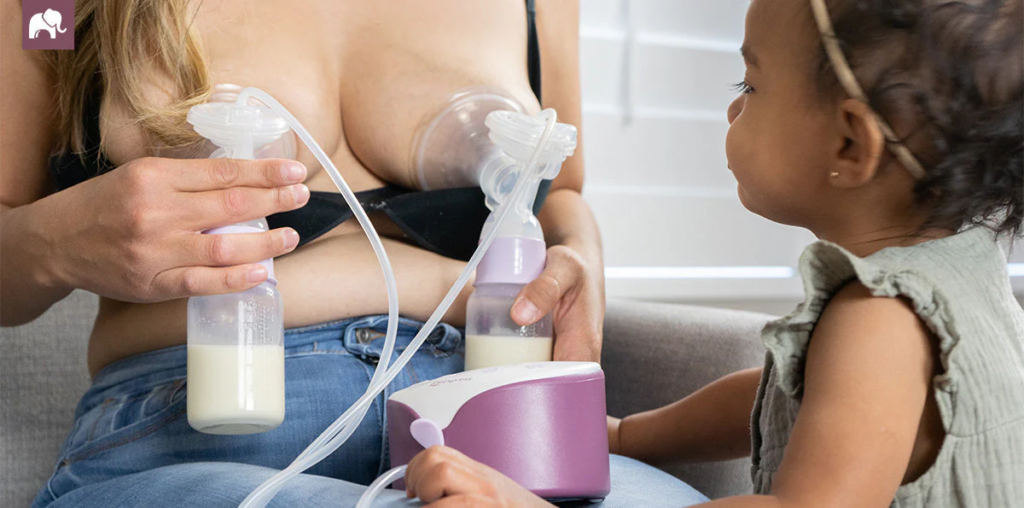
- Breast pumps
can make nipples:
- Temporarily longer
- More flexible
In most cases, this is normal and harmless.
4. Temperature and stimulation
Nipples react to:
- Cold → contract and firm up
- Touch → can either firm or stretch depending on tissue
Elastic nipples simply show more visible change.
Is it normal?
Yes — completely normal.
There is a wide range of normal nipple shapes and behaviors:
- Flat
- Inverted
- Protruding
- Elastic/stretchy
Elasticity alone is not a health problem.
When it might need attention
It’s usually harmless, but consider checking with a doctor if you notice:
- Sudden major change in shape or size
- Pain, cracking, or bleeding
- Unusual discharge (not related to breastfeeding)
- One nipple changing dramatically while the other doesn’t
Pros & cons (practical perspective)

Pros
- Usually not sensitive to minor stretching
- More adaptable for breastfeeding (often easier latch)

Cons
- Can feel unusual or surprising if you’re not expecting it
Common myths
Myth: Elastic nipples mean something is wrong
→ Reality: It’s just natural variation
Myth: They stay stretched permanently
→ Reality: Most changes are temporary
Myth: Only happens after breastfeeding
→ Reality: Many people have it naturally
Care tips
If you want to keep the area comfortable:
- Use gentle skincare (avoid harsh soaps)
- Moisturize if skin gets dry
- Avoid excessive friction
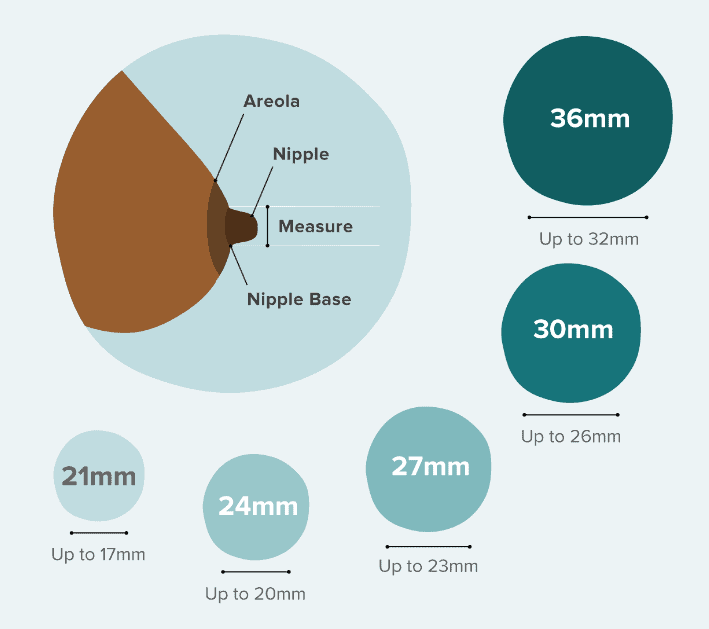
- Use proper sizing if using a breast pump
FAQs
Are elastic nipples permanent?
Sometimes partially, but most stretching is temporary.
Can they “go back” to normal?
Yes, especially if the cause (like pumping) stops.
Does it affect sensitivity?
It varies — some people feel no difference, others notice slight changes.
Not directly. Elasticity is more about tissue structure than size.
Do elastic nipples stay stretched permanently?
Usually no.
They typically:
Stretch temporarily during stimulation or pumping
Return close to their original shape afterward
Long-term changes can happen after breastfeeding, but even then they’re usually mild.
Is this the same as inverted or flat nipples?
No:
Elastic nipples → stretch easily
Flat nipples → don’t protrude much
Inverted nipples → pull inward
A person can have a mix (e.g., slightly flat but elastic).
Do elastic nipples affect breastfeeding?
Often positively:
Easier for a baby to latch
Tissue adapts well to suction
But in some cases, too much elasticity can cause:
Discomfort with pumps (if flange size is wrong)
Can breast pumps make nipples more elastic?
Yes, temporarily. Repeated suction can:
Increase flexibility
Make them appear longer
This usually improves after stopping frequent pumping.
Is it a sign of a health problem?
No, not by itself.
It’s only a concern if combined with:
Pain
Sudden changes
Discharge
Skin damage
Do hormones affect nipple elasticity?
Yes. Elasticity can increase during:
Ovulation
Pregnancy
Breastfeeding
Hormones affect skin and connective tissue.
Can men have elastic nipples?
Yes. Nipple structure is similar across sexes, so elasticity can occur in anyone.
Does it change sensitivity?
It depends:
Some people feel no difference
Others may feel slightly less or more sensitivity
There’s no universal rule.
Can you “fix” or reduce elasticity?
There’s usually no need to fix it.
If discomfort occurs:
Adjust stimulation intensity
Use proper pump sizing
Keep skin moisturized
READ ALSO: How to wean off pumping?
